
Body Interventions
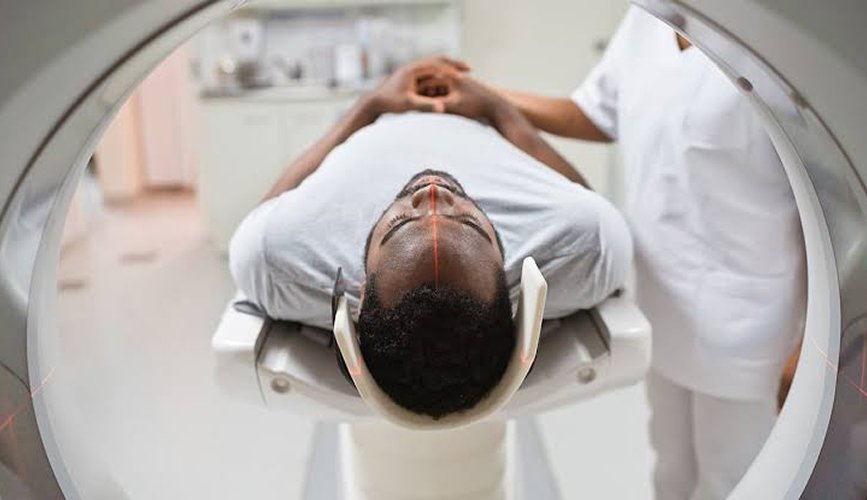
Body interventions are minimally invasive image-guided procedures used to diagnose and treat conditions affecting the liver, kidneys, lungs, gastrointestinal track, and other abdominal organs. These procedures are performed using advanced imaging technologies such as ultrasound, CT scan, and fluoroscopy to ensure precision and safety.
Compared to traditional surgery, body interventions involve smaller incisions, less pain, shorter hospital stays, and faster recovery. They are commonly used for biopsies, abscess drainage, tumor ablation, fluid aspiration, vascular access, and various therapeutic treatments while minimizing risks and improving patient outcomes.
Body Intervention Procedures
- Image-Guided Biopsy
- Tumor Ablation
- Abscess Drainage
- Fluid Aspiration
- Liver Interventions
- Kidney Interventions
- Biliary Drainage Procedures
- Gastrointestinal Interventions
- Vascular Access Procedures
- Minimally Invasive Pain Management
Frequently Asked Questions
Body interventions are image-guided minimally invasive procedures used to diagnose and treat diseases affecting organs such as the liver, kidneys, lungs, and gastrointestinal system.
Yes. These procedures are performed using advanced imaging guidance, making them highly accurate with lower risks, smaller incisions, and quicker recovery than traditional surgery.
Most body intervention procedures are performed as day-care or short-stay procedures, allowing patients to return home the same day or within 24 hours.
Recovery is generally quick, with most patients resuming normal activities within a few days, depending on the type of procedure performed.