
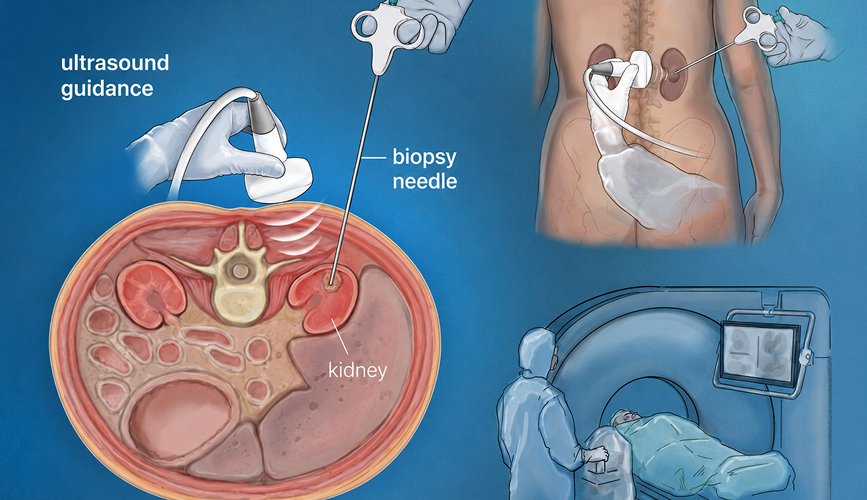
Percutaneous Interventions
LPercutaneous interventions are minimally invasive procedures performed through a small skin puncture using advanced imaging guidance such as ultrasound, fluoroscopy, or CT scans. These procedures allow specialists to diagnose and treat various medical conditions without the need for major surgery.
They are widely used for biopsies, drainage procedures, tumor ablation, vascular access, and targeted treatments involving different organs. Percutaneous interventions offer reduced pain, minimal scarring, shorter hospital stays, quicker recovery, and a lower risk of complications compared to conventional surgical procedures.
Common Percutaneous Intervention Procedures
- Image-Guided Needle Biopsy
- Percutaneous Tumor Ablation
- Fluid Aspiration
- Abscess Drainage
- Biliary Drainage
- Nephrostomy Tube Placement
- Percutaneous Catheter Drainage
- Central Venous Access
- Percutaneous Gastrostomy
- Image-Guided Pain Management Procedures
Frequently Asked Questions
Percutaneous interventions are minimally invasive procedures performed through a small skin puncture using image guidance to diagnose or treat various medical conditions.
Most procedures are performed under local anesthesia or mild sedation, making them comfortable with minimal pain during and after treatment.
Recovery is usually fast, and many patients can return to their normal routine within a day or two, depending on the type of intervention performed.
These procedures provide accurate treatment with smaller incisions, less pain, minimal blood loss, shorter hospital stays, faster recovery, and reduced risk of complications compared to traditional surgery.